Weather, material availability, site conditions, customer decisions and trade availability can all affect a project’s timeline. And because construction is sequential, a delay in one part of a job can create knock-on effects elsewhere.
For builders, that makes staying on top of delays about more than keeping the program up to date. It means understanding how each delay affects the contract and the completion date.
A project can be late without being contractually late
A project can be running behind schedule without necessarily being late under the contract. The contract date may have moved because of approved extensions of time, allowable days or other recognised delays.
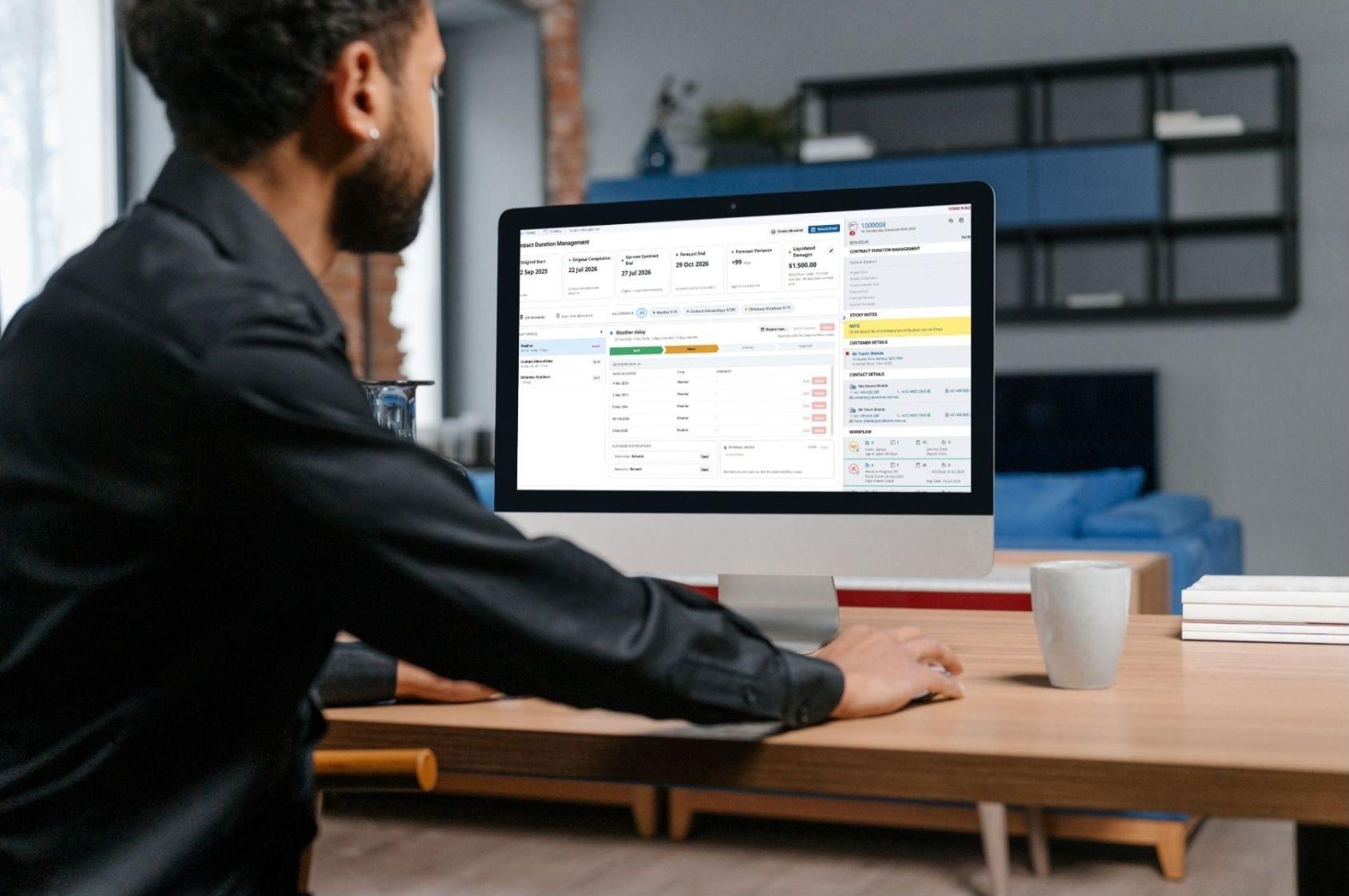
There are three dates builders need to keep in view: the original completion date, the current contract end date and the latest forecast. For example, a project originally due to finish on 22 July may have five recognised delay days added, moving the contract end date to 27 July. If the latest forecast is 29 October, the project is now well beyond its current contractual timeframe.
Understanding why a job is behind schedule is just as important as knowing how far behind it is. That history becomes particularly critical when an extension of time or liquidated damages is questioned. The issue isn’t simply whether the project is late, but whether the builder can show what happened and how it affected the contract date.
The problem with tracking delay history
The longer a delay sits in the past, the harder it can become to establish exactly what happened and what impact it had on the contract.
A weather event, material shortage or customer-driven change may seem manageable at the time, but if it later affects the completion date, the builder may need to establish when the delay occurred, how many days it affected, whether those days were allowable, whether an extension of time was claimed or approved, and what evidence supports the decision.
Trying to piece that history together later – across emails, spreadsheets, site records and other systems – can be time-consuming and leave gaps in the record. Capturing the event, its duration and supporting documentation as it happens creates a clearer record of how the contract timeframe has changed.
Keeping contract time visible
This is where Contract Duration Management in ClickHome27 comes in.
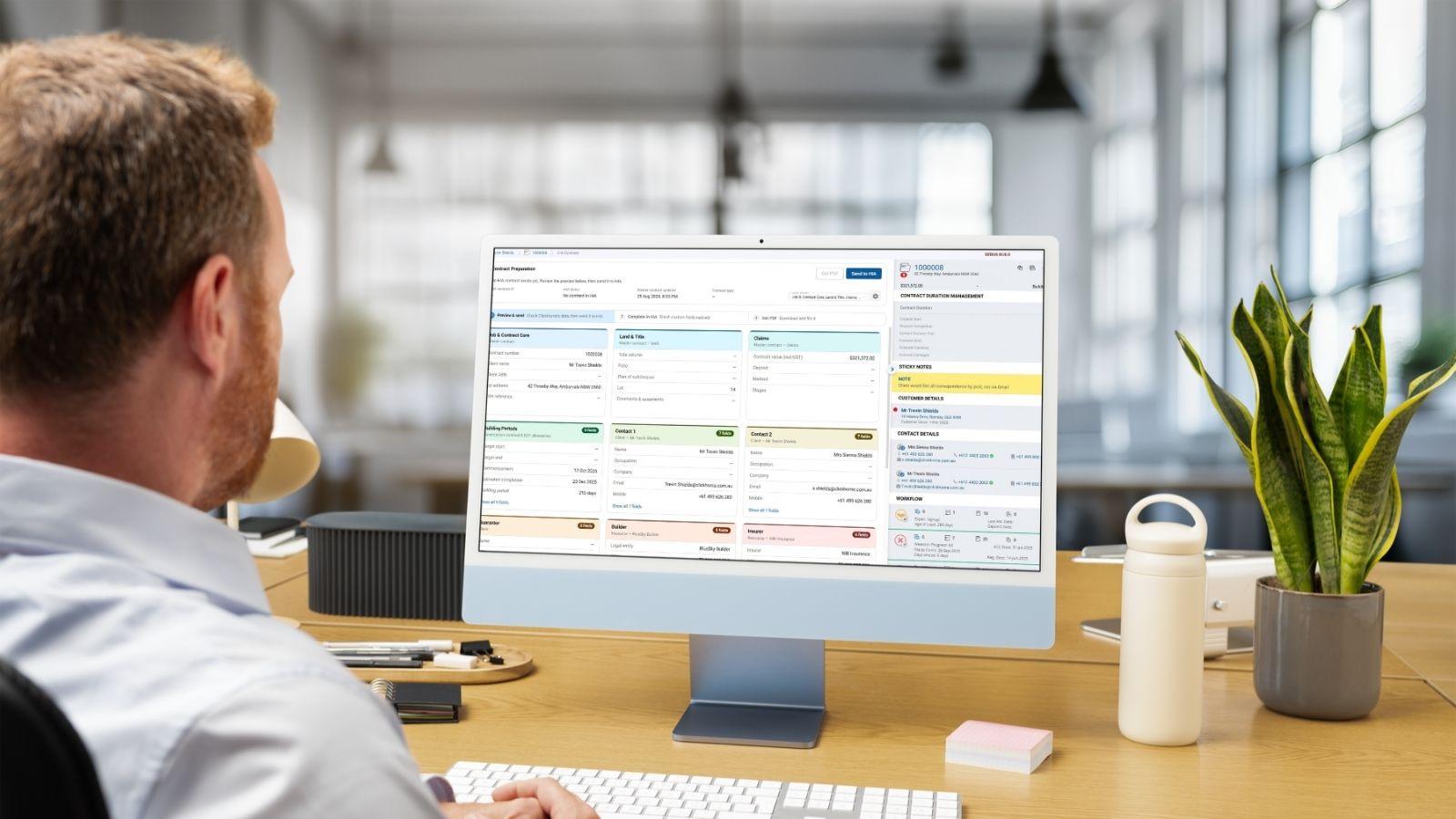
The new functionality brings the key elements of the contract duration into one place, including the original and current contract dates, latest forecast, delay events, contract-allowed days, extensions of time and liquidated damages.
Teams can record delay events as they occur, attach supporting documentation and track the extension-of-time process from draft through to claim and approval. This means the contractual impact of a delay can be managed while the project is underway, rather than pieced together later.
The live view also makes it easier to see where the project stands. With the original completion date, current contract end date, forecast completion and variance visible together, teams can quickly see whether a project is simply running behind its original program or has moved beyond its current contractual timeframe. Where liquidated damages apply, this also gives teams a clearer view of potential exposure as the project progresses, rather than discovering the scale of the issue at the end.
Ultimately, Contract Duration Management gives builders a clearer picture of where they stand as a project progresses, with the information behind that position stored in one place. Instead of looking back to piece together why a contract date moved, teams can manage changes to contract time as they happen.
Want to see how ClickHome27 can help you stay on top of contract time and potential liquidated damages? Get in touch.